Sula Archipelago Birdwatching & Photography
A Premier Birding Destination in Eastern Indonesia
The Sula Archipelago, located in North Maluku, Indonesia, represents one of the most biologically significant yet underexplored birding destinations in Wallacea. Isolated by geography and shaped by complex evolutionary processes, these islands support a remarkable concentration of endemic and near-endemic bird species rarely encountered elsewhere.
For serious birdwatchers and wildlife photographers, Sula offers something increasingly rare in Southeast Asia: intact forest ecosystems, low human disturbance, and genuine opportunities to observe endemic birds behaving naturally in the wild.
Endemic and Iconic Birds of the Sula Archipelago
The forests of the Sula Islands are home to several highly sought-after species that define the region’s ornithological value. Among the most notable are:
- Sula Hanging Parrot (Loriculus sclateri)
- Sula Cicadabird (Edolisoma sula)
- Sula Pitta (Erythropitta dohertyi)
- Sula Scrubfowl (Megapodius bernsteinii)
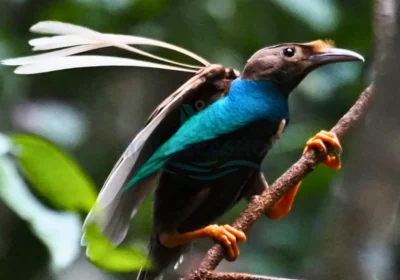
- Bare-eyed Myna, an unmistakable island specialty and one of the most visually distinctive passerines in the region
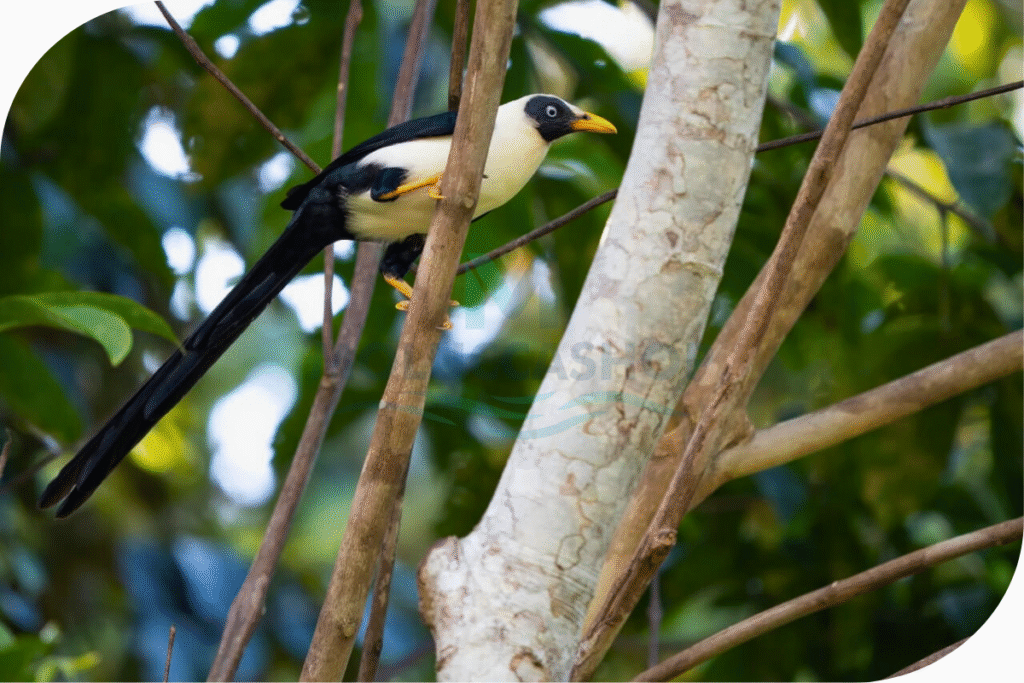
MoluccasHop – “Bare-eyed Myna (The Iconic Birds of the Sula Archipelago)“
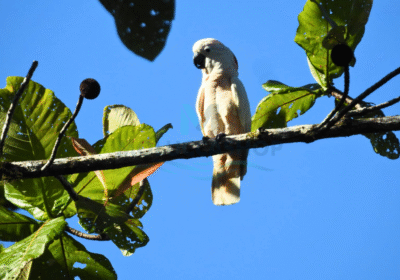
In addition to these endemics, birders regularly encounter species such as the Blue-and-white Kingfisher (Todiramphus diops), Eclectus Parrot, Moluccan Cuckoo, and Great-billed Parrot (Tanygnathus megalorynchos), creating an exceptional species list within a compact geographic area.
The presence of both endemic forest specialists and wide-ranging parrot species makes Sula particularly attractive for advanced birders seeking meaningful observations rather than checklist tourism.
Exploring the Core Islands of Sula
Birding activities focus primarily on Mangole and Sanana, the cultural and ecological heart of the archipelago. These islands offer a mosaic of habitats, including lowland rainforest, forest edge zones, coastal vegetation, and elevated interior terrain.
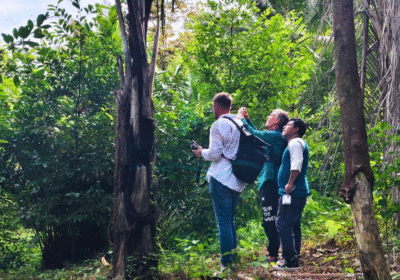
Morning excursions begin before sunrise, timed to coincide with peak bird vocalization. Forest trails and quiet observation points allow close study of feeding, calling, and territorial behavior — conditions highly valued by experienced birdwatchers and field researchers alike.
Afternoons are dedicated to photography, when softer light conditions enhance plumage detail and color accuracy, especially for parrots, pittas, and the Bare-eyed Myna.
A Destination for Serious Wildlife Photography
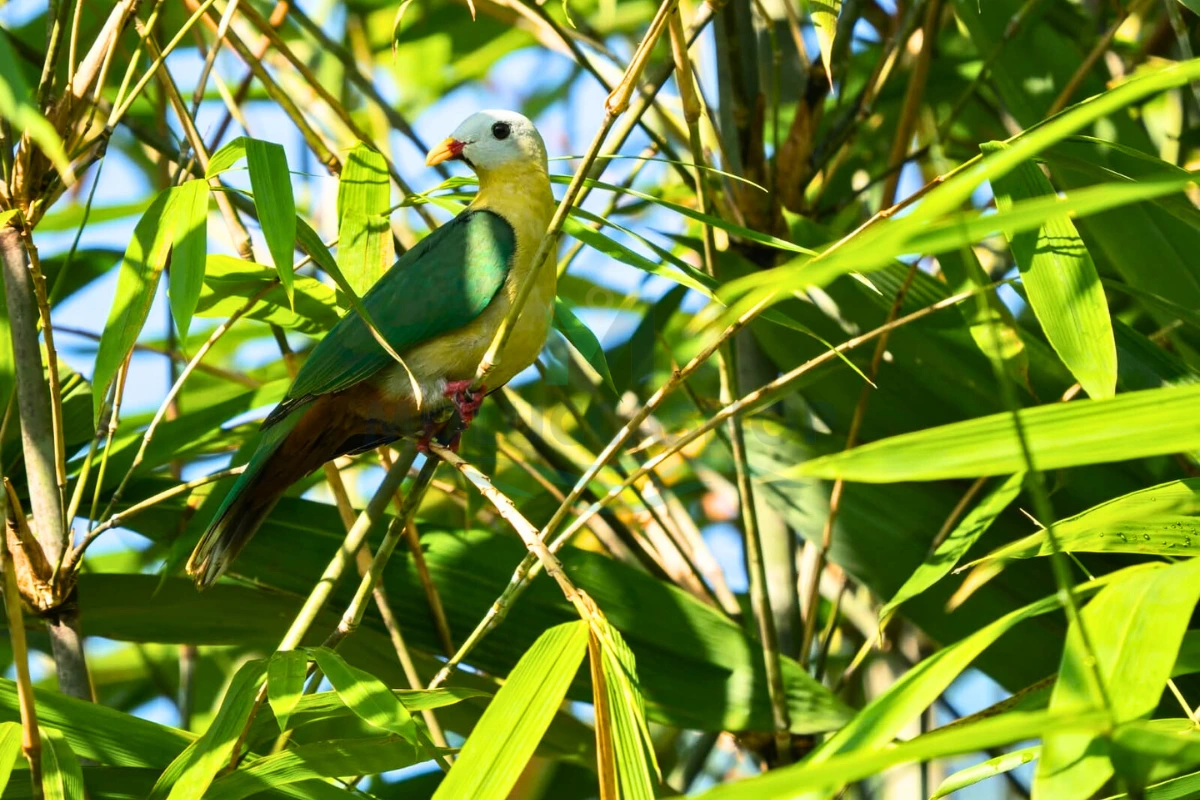
From a photographic perspective, the Sula Archipelago delivers consistently high-quality conditions. Dense green forest backdrops, layered canopy structure, and stable tropical lighting create ideal settings for wildlife imagery.
The contrast between vivid bird plumage and subdued forest tones allows for clean compositions without artificial staging. Species such as kingfishers, parrots, and mynas often perch at eye level, offering rare opportunities for natural, ethical wildlife photography.
This is a destination where patience and fieldcraft are rewarded — a key marker of authenticity for professional photographers.
Conservation, Community, and Responsible Birding
Sula Archipelago Birdwatching & Photography operates under a responsible tourism framework that prioritizes habitat preservation and community involvement. Local guides are trained not only in navigation and species identification, but also in ethical birding practices and conservation awareness.
By participating in this program, visitors directly support local livelihoods while reinforcing the long-term value of forest protection. This balance between access and preservation is essential to maintaining Sula’s ecological integrity.
Cultural Landscape of the Sula Islands
Beyond wildlife, Sula offers insight into traditional island life that remains closely connected to the natural environment. Fishing communities, historic trade routes, and spice-based livelihoods have shaped local culture for generations.
For visiting birders, this cultural context adds depth to the experience, reminding travelers that conservation here is inseparable from the people who have lived alongside these forests for centuries.
Best Time and Duration
The optimal period for birdwatching in the Sula Archipelago is May through October, when weather conditions are stable and bird activity is at its most consistent.
Typical expeditions last 4–5 days, allowing sufficient time to explore multiple habitats across Mangole and Sanana without rushing observations. Each day delivers distinct species encounters and photographic opportunities.
Begin Your Sula Birding Adventure
Sula Archipelago Birdwatching & Photography is not a mass-market tour. It is a carefully curated experience designed for birders and photographers who value authenticity, biodiversity, and responsible exploration.
Here, every observation contributes to a deeper understanding of Wallacean birdlife — and every journey helps protect one of Indonesia’s last truly underrepresented ornithological regions.
Book Now!
If you’re ready to experience the wild charm of the Sula Archipelago and capture its extraordinary birdlife — including iconic species like the Bare-eyed Myna — through your lens, you can book the Sula Archipelago Birdwatching & Photography Tour directly through our official page.