Ambon & Banda Neira Diving Guide 2026: Best Snorkeling, Hidden Marine Paradise & Top Dive Spots in Indonesia
A Rare Convergence of Biodiversity and Geological Complexity
Ambon and Banda Neira sit within the vast expanse of the Banda Sea, a deep and dynamic marine basin that forms part of the globally significant Coral Triangle. This region is widely acknowledged as the epicenter of marine biodiversity, where tectonic activity and oceanographic processes converge to sustain one of the richest underwater ecosystems on Earth.
What makes this region exceptional is not only the density of marine life, but the structural diversity beneath the surface. Volcanic formations, submerged ridges, and steep bathymetric gradients create a mosaic of habitats that support both macro and pelagic species. Rather than offering a single type of diving experience, Ambon and Banda Neira present a layered marine environment that rewards careful observation and repeated exploration.
Ambon: Precision, Rarity, and the Science of Macro Diving
Within the global diving community, Ambon Island has become synonymous with macro biodiversity. Its inner bay, shaped by volcanic sediment and nutrient inflows, provides ideal conditions for rare and highly specialized marine species.
The appeal of Ambon lies in its consistency. Encounters with rhinopias, ghost pipefish, frogfish, and intricate nudibranch species are not exceptional occurrences but part of a stable ecological pattern. This reliability has positioned Ambon as a reference point not only for underwater photographers but also for researchers studying cryptic marine organisms and adaptive behaviors.
Beyond its macro reputation, Ambon’s outer reef systems reveal a different character. Clearer waters and broader coral formations allow for more conventional reef diving and accessible snorkeling, creating a balanced marine profile that extends beyond niche specialization.
Banda Neira: Volcanic Topography and Open-Ocean Encounters
In contrast to Ambon’s detail-oriented environments, Banda Neira is defined by scale and exposure. Rising abruptly from deep oceanic waters, the Banda Islands are shaped by volcanic processes that continue to influence underwater topography.
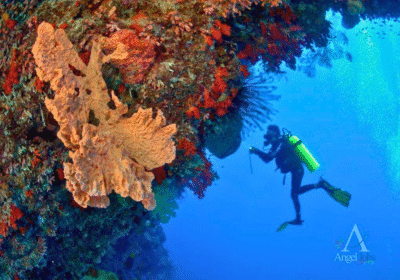
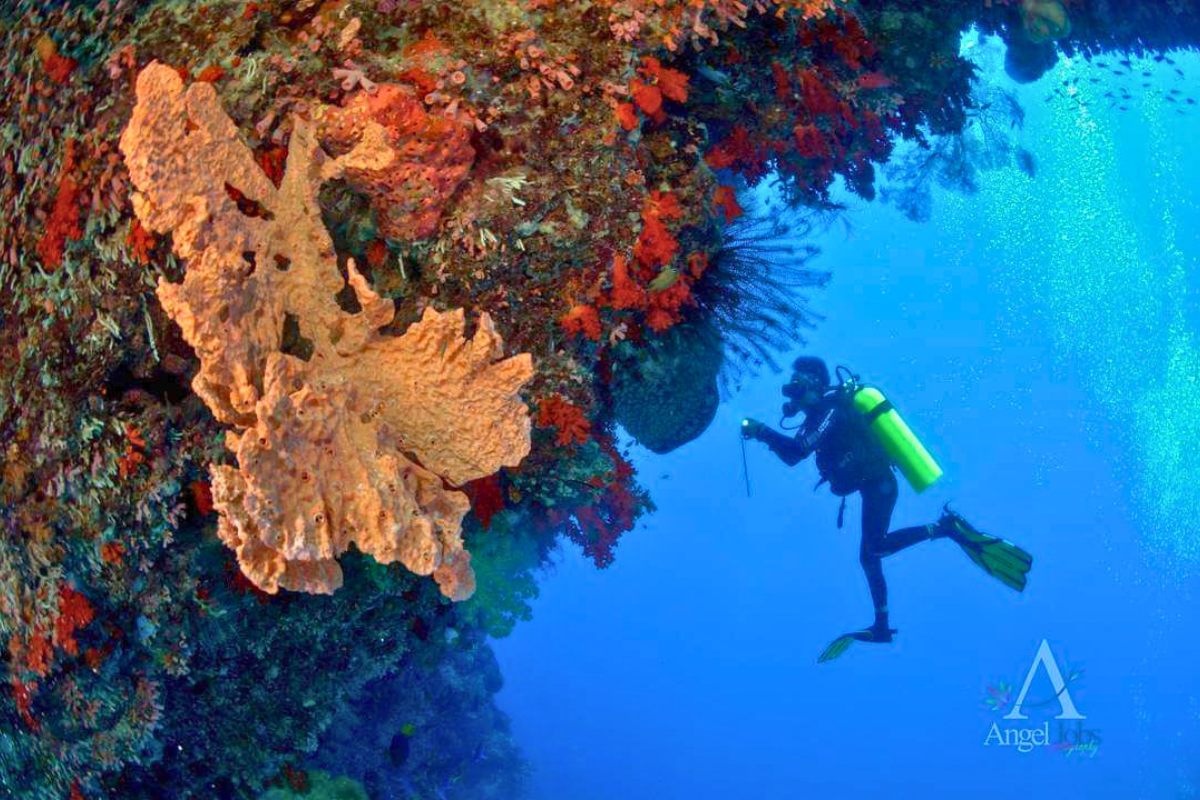
Diving here is characterized by vertical walls, lava-formed structures, and coral systems that cling to steep underwater slopes. These conditions create natural pathways for pelagic species, resulting in encounters that are both dynamic and unpredictable. Schools of fish move through the blue, reef predators patrol the edges of visibility, and during specific seasonal windows, hammerhead sharks traverse deeper offshore zones.
Adding to this experience is a rarely discussed dimension: the integration of history within the marine environment. The Banda Islands, once central to the global spice trade, hold submerged remnants of maritime activity. These elements do not dominate the dive experience, but they add a contextual layer that connects ecological exploration with historical continuity.
Snorkeling as an Alternative Mode of Observation
While diving offers depth, snorkeling in Ambon and Banda Neira provides immediacy. Coastal reef formations develop close to shorelines, allowing direct access to coral ecosystems without the need for complex equipment.
Under favorable conditions, visibility remains high enough to observe reef dynamics in detail. Light penetration enhances color and contrast, making it possible to study fish behavior, coral structures, and ecological interactions from the surface. For experienced observers, snorkeling here is not a simplified experience, but a different perspective on the same complex system.
Seasonality and the Rhythms of the Banda Sea
Marine conditions in the Banda Sea are shaped by seasonal transitions that influence both visibility and biological activity. The period between September and April is generally considered the most stable, with calmer waters and optimal underwater clarity.
However, seasonality extends beyond surface conditions. Shifts in currents and temperature can influence species distribution, particularly for pelagic encounters. Hammerhead sightings, for example, are often linked to transitional periods, while macro ecosystems in Ambon maintain relative consistency with subtle variations.
For those who return, the region offers a changing environment rather than a static destination—one that evolves with time and conditions.
Access and the Value of Remoteness
Reaching this region requires a degree of logistical planning, typically beginning via Pattimura International Airport before continuing onward to Banda Neira. This relative inaccessibility has played a crucial role in preserving the ecological integrity of the area.
In contrast to heavily trafficked marine destinations, Ambon and Banda Neira remain less exposed to large-scale tourism pressures. This distance, often perceived as a challenge, is in fact one of the region’s greatest strengths—ensuring that both marine environments and travel experiences retain a level of authenticity that is increasingly rare.
Cultural Continuity in the Spice Islands
The marine landscape cannot be separated from its cultural context. The Banda Islands, historically known as the Spice Islands, were once at the center of global trade networks. Today, traces of that history remain visible in architecture, land use, and maritime traditions.
Local communities continue to maintain a close relationship with the sea, guided by knowledge systems developed over generations. This cultural continuity provides an additional dimension to the marine experience, transforming it from a purely visual encounter into a broader exploration of place and identity.
Sustainability and the Future of Marine Exploration
As interest in remote diving destinations grows, so too does the need for responsible engagement. In Ambon and Banda Neira, there is an increasing emphasis on sustainable practices that aim to protect coral ecosystems while supporting local economies.
Diving operations are gradually aligning with conservation principles, and community-based tourism models are becoming more prominent. For visitors, participation in these practices is not only a matter of environmental responsibility but also a way to contribute to the long-term preservation of one of the world’s most significant marine regions.
An Environment That Rewards Depth of Attention
Ambon and Banda Neira are not destinations defined by instant spectacle. Their significance lies in complexity—ecological, geological, and historical. The experience they offer is cumulative, revealing greater depth over time and through sustained observation.
For divers, snorkelers, and marine observers seeking more than surface-level encounters, the Banda Sea represents a rare opportunity: a place where biodiversity, geology, and human history intersect in ways that continue to unfold beneath the waterline.
FAQ About Diving in Ambon & Banda Neira
- Is Ambon suitable for serious diving exploration?
Ambon is widely regarded as one of the most important macro diving locations globally, offering consistent encounters with rare and highly specialized marine species.
- When is the most favorable time to visit Banda Neira for diving?
The period between September and April generally provides the most stable sea conditions and highest underwater visibility.
- Can snorkeling provide a meaningful experience in this region?
Snorkeling offers direct access to coastal reef systems with high visibility, making it a valid and rewarding way to observe marine ecosystems.
- What types of marine life are typically encountered?
The region supports a wide range of species, from macro organisms to reef predators and, seasonally, pelagic species such as hammerhead sharks.
About This Guide
This guide is developed from regional marine characteristics, observational insights, and aggregated knowledge from diving practitioners operating within the Banda Sea.
Book Now
If you are ready to experience the Banda Sea’s underwater world, you can book Marine Activities – Diving & Snorkeling in Ambon–Banda Neira through our official tour page and begin your marine adventure in one of Indonesia’s most remarkable seascapes.